Foire Aux Harengs Giada Connestari 12
©

Foire Aux Harengs Giada Connestari 12

The scallopDieppe’s white gold

The scallop

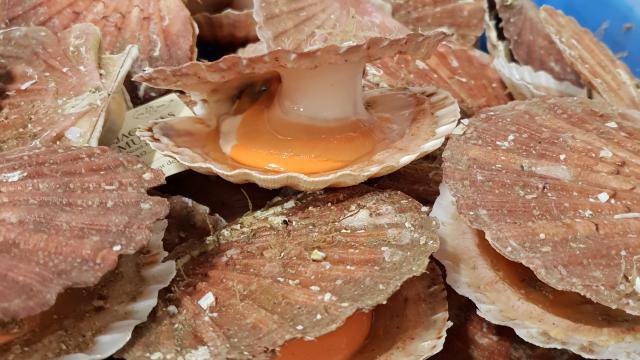
It’s got more than one trick up its sleeve, and you’ll enjoy it in a thousand different ways. It can tempt you au naturel, raw as a carpaccio, or seared, served with little candied vegetables. Provocative, she doesn’t mind getting a bit wild with a strong spirit – preferably a shot of calvados. Unconventional, she sometimes likes to wrap herself in a strip of bacon just for the fun of surprising you. Daring, she can also be found on skewers, bathed in exotic flavours. Nonchalant, it lets itself be caressed by a citrus mousse. Reckless, it takes on a gratin of fresh foie gras. Sensual, it melts into the creaminess of a risotto. Serene, it returns to its roots, drizzled with local raw cream…. Baroque in style, it wraps itself in golden, perfectly flaky swirls… Or, finally, completely bare, adorned only with its exquisite flavour – there are a thousand ways to succumb to the charm of the scallop.

Dieppe and the shell

An age-old connection

It is the ‘white gold’ of the people of Dieppe, an institution, an emblem that has stood the test of time – and that is reason enough to take a rather staid chronology and give it a mischievous shake-up… Last October, thousands of painted cockles took over the streets of Dieppe – a local way of celebrating. Let’s daydream a little and invite the pilgrims on the Way of St James, passing through Dieppe, to a unique encounter. Nowadays, the former celebrate the sea’s winter bounty: herring and the scallop shell; the latter trace their origins tothe 12th century and northern Europe, sewing the shell onto their garments, using it to quench their thirst along the way, and weaving ancestral legends into its story. Today, the scallop shell has become the European symbol of the Way of St James, which it marks out.
Major French port

for fresh fish

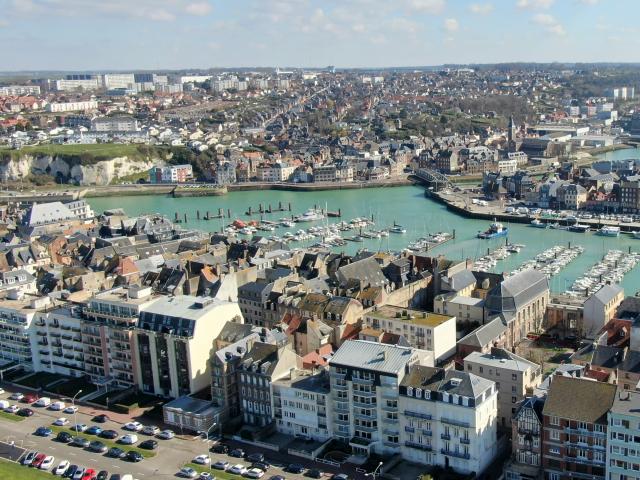
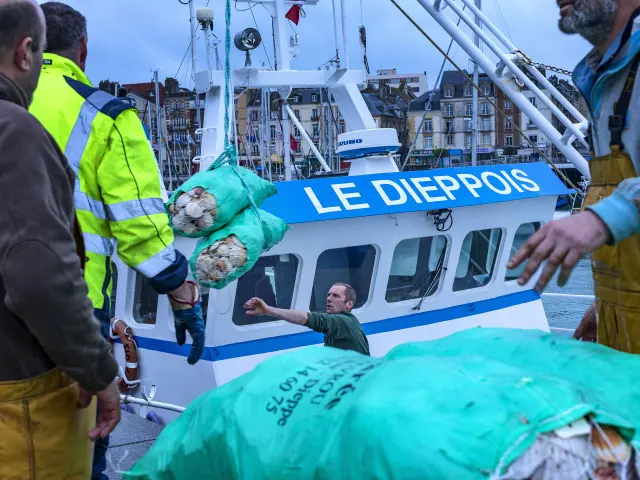
But let’s return to Dieppe and its connection with the scallop, which has grown stronger year on year. It all begins at the end of summer in the fishing harbour. The nets used during the summer months are replaced by dredges – those heavy metal-mesh bags that scrape the seabed in the fishing grounds. On the quays, people are bustling about, and in the harbour cafés, such as Le Cayeux, conversations liven up as people discuss quotas, fishing grounds and schedules, as this activity is highly regulated.

From October to May

A much-loved delicacy

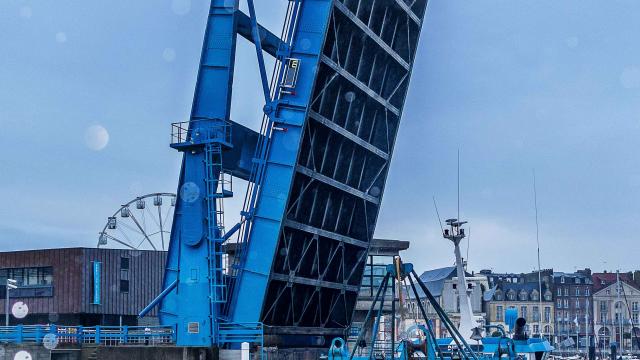
At last, the big day arrives in September and October. It is a spectacle that is both solemn and moving: dozens of Normandy shellfish boats sail majestically past the jetties on their way to the fishing grounds. The season is open. Fishermen will be able to

harvest the shellfish from the sandy seabed and sell them directly or at auction, right through to May.

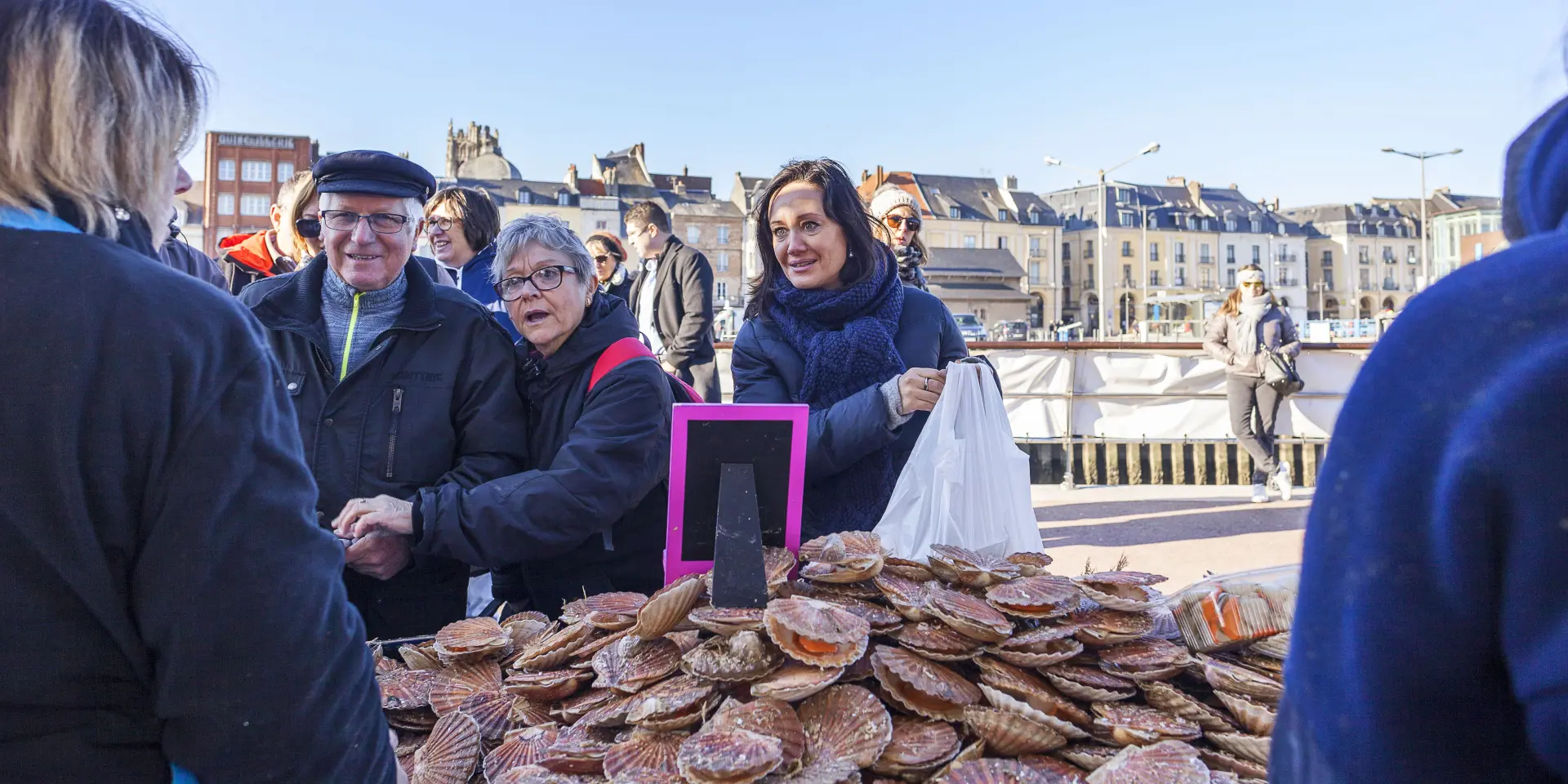
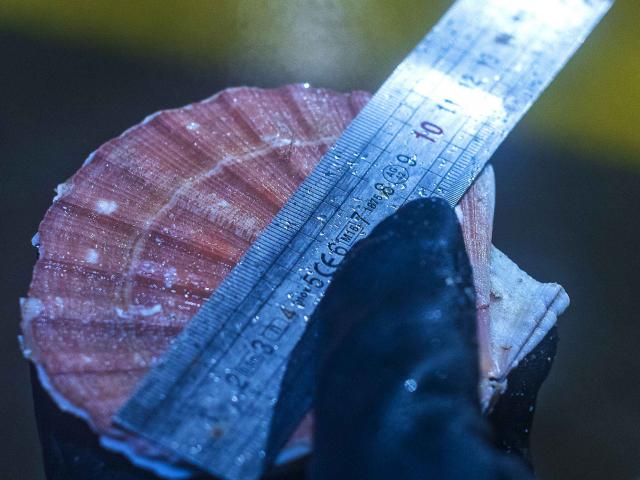
They will spend some time on the bed off the coast of Dieppe, then head to ‘their garden’, the Bay of Seine. The work is hard, the fishing hours inflexible and the quotas strict. It is the nobility and quality of the scallop that is at stake. A generous, flavourful meat and a coral that lights up the plate with its sunny orange hue make the Normandy scallop the very best ofthe ‘Pecten maximus’ – its scientific name. Michelin-starred chefs from all over France court it assiduously, as it offers them plenty of scope for creativity.

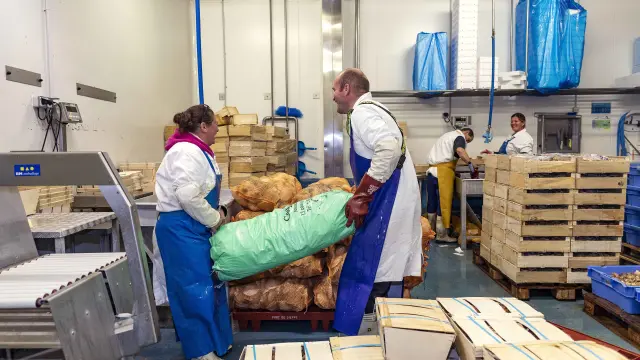
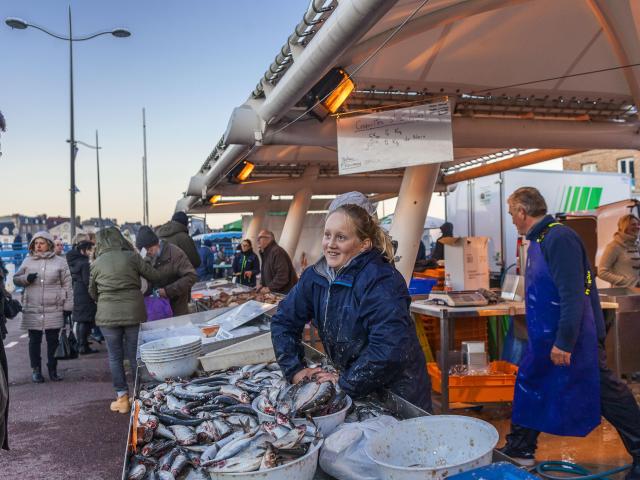
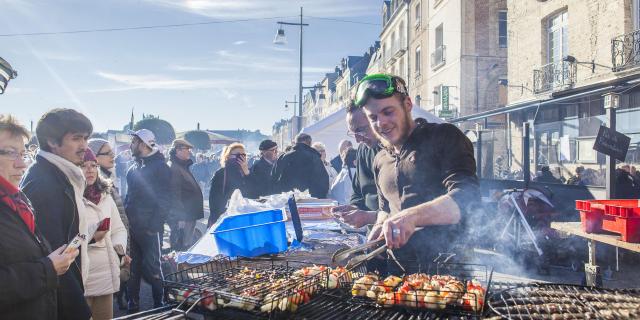
In Dieppe, it’s a culinary treat that people are happy to indulge in whilst strolling around the fish markets at ‘Les Barrières’ or along Quai Trudaine. From the boat to the plate, it’s taken just a few hours, and the people of Dieppe know that this is a real treat!