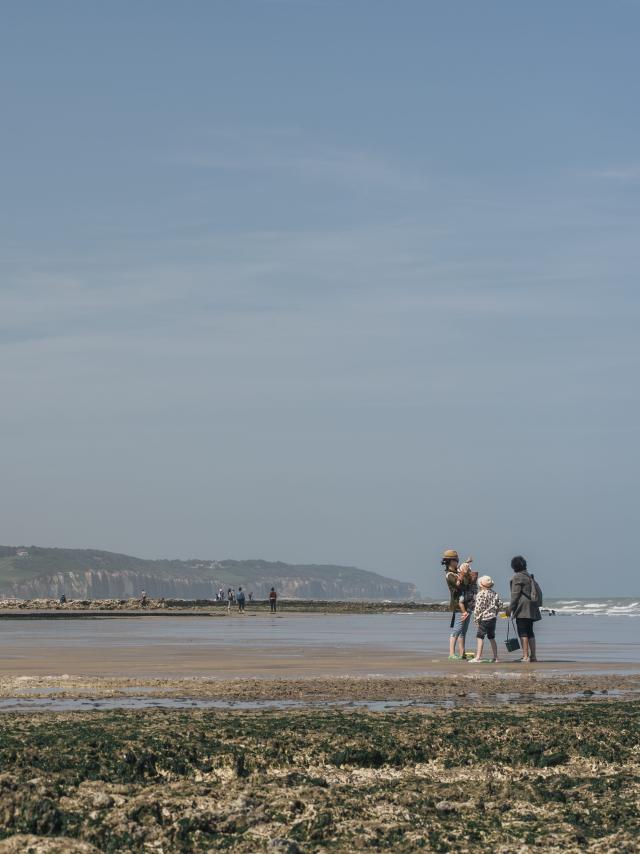
Plage Dieppe Peche A Pied Famille Nos Coeurs Voyageurs 2
©

Plage Dieppe Peche A Pied Famille Nos Coeurs Voyageurs 2

|

Nos Coeurs Voyageurs

Family shore foraging in DieppeA simple and enjoyable outdoor activity

Shore foraging

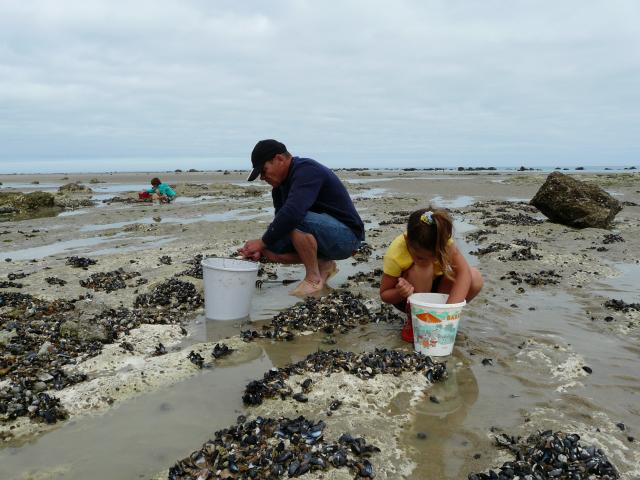
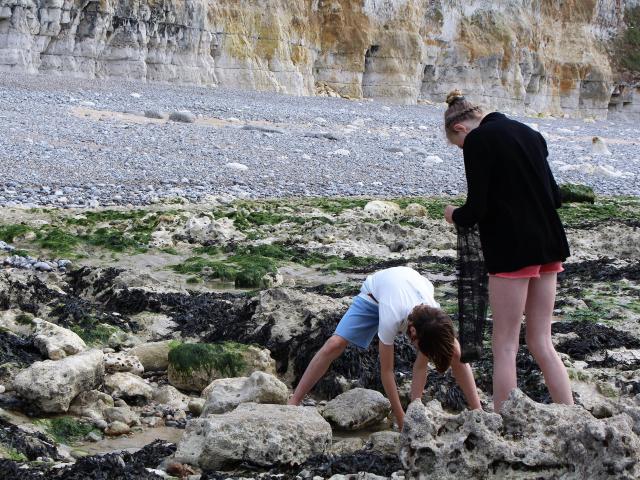
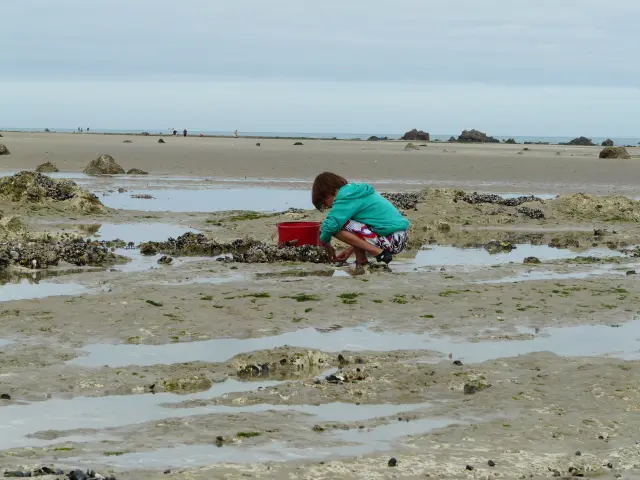
With wellies on their feet, a bucket in hand, and their eyes fixed on the rocks… Shellfish gathering is one of those simple pleasures that brings all generations together. Available all year round on the beaches of Dieppe and the surrounding area, it invites you to slow down, observe, touch, learn… and enjoy the experience together.

Making memories, to the rhythm of the sea

It takes just a few steps along the foreshore for the magic to begin. The lapping of the water, the salty scent, the muffled sound of pebbles beneath your boots: shellfish gathering awakens the senses from the very first moments.

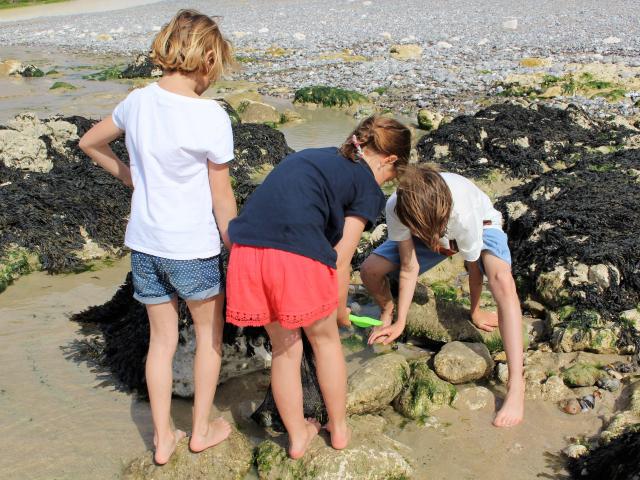
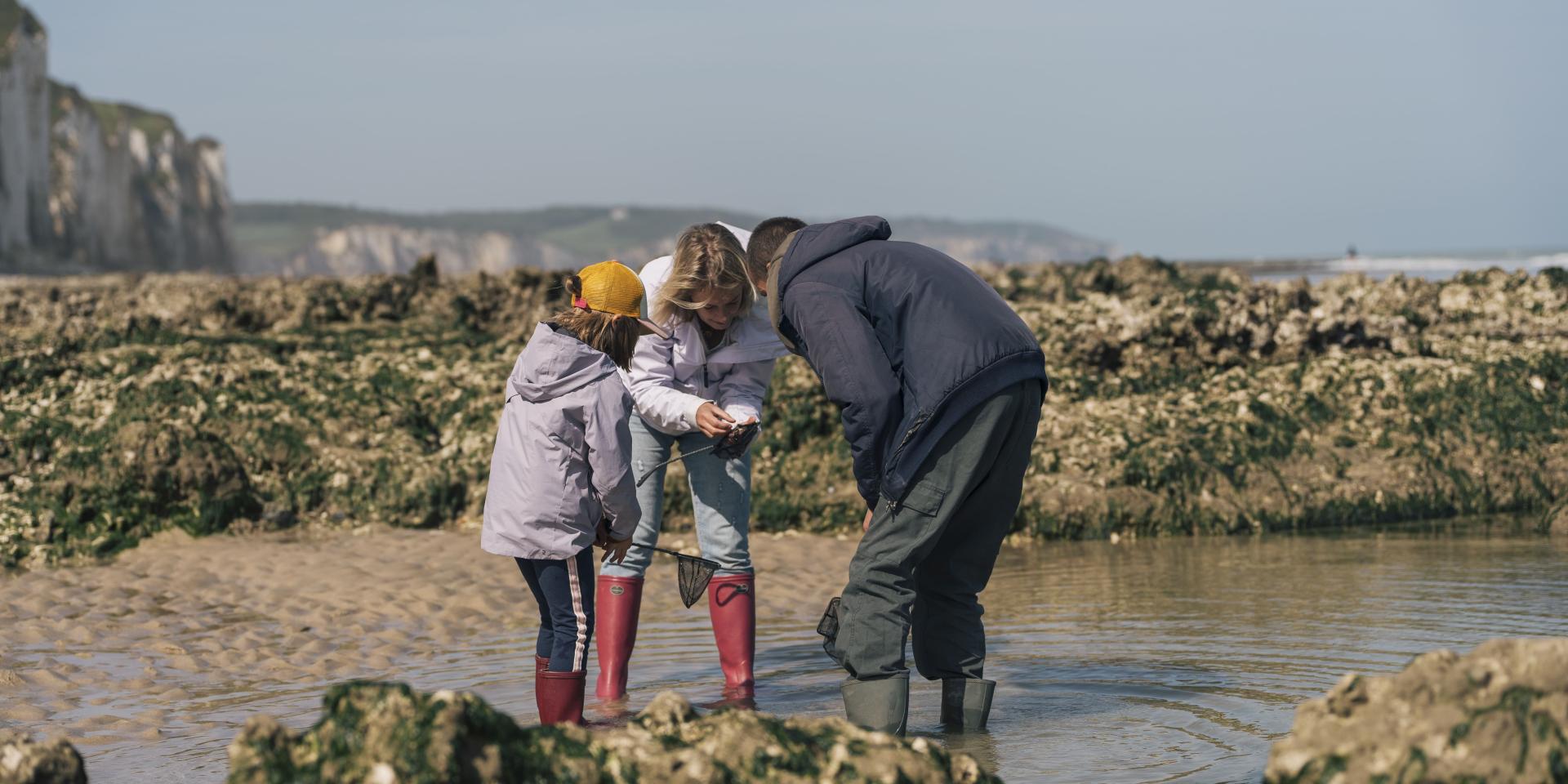
Children crouch down, curious, whilst adults take the time to point things out, explain and pass on their knowledge. Under a rock, a periwinkle; in a puddle, a shrimp darting away. We observe, we choose, we respect.

Then comes the simple pleasure of the return journey, proud of our little haul, ready to cook it together. Here, it’s not the quantity that counts, but the time spent together.
Everything you need to know to get started

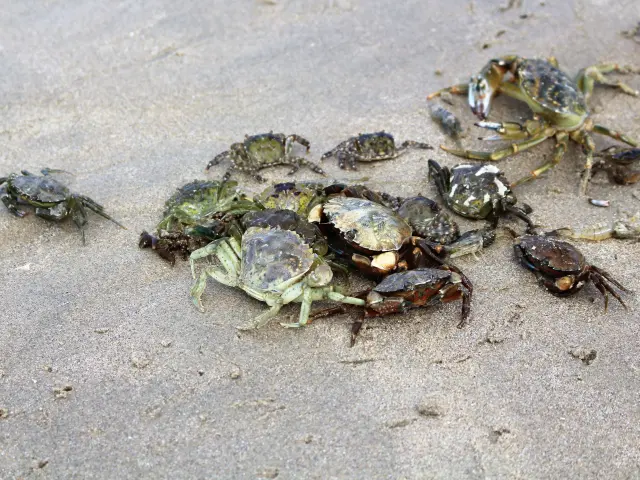
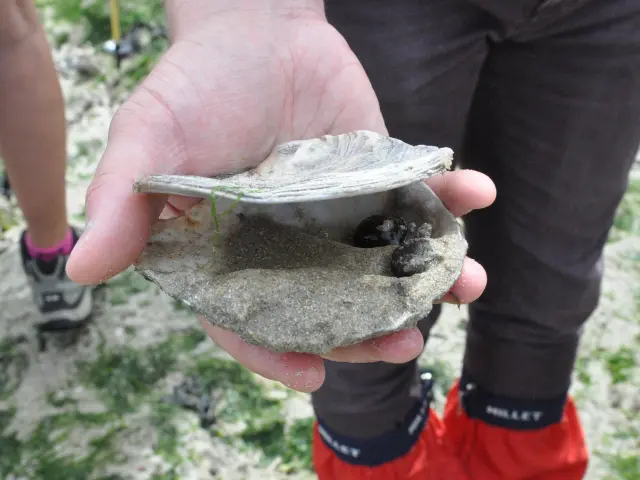
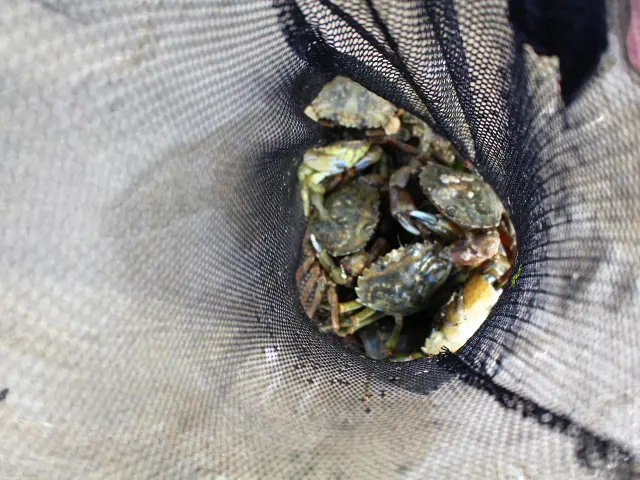
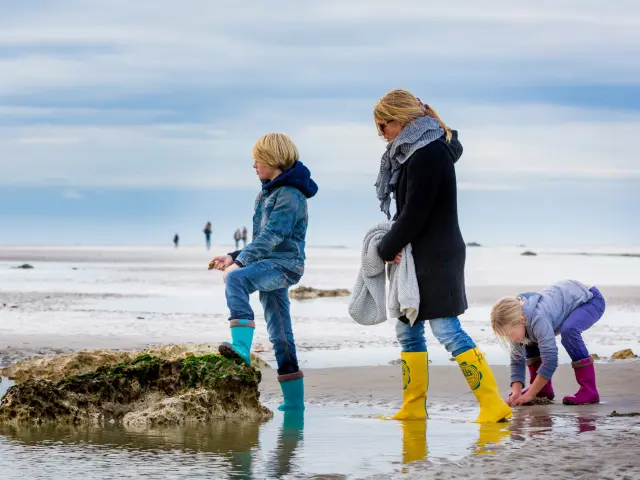
On the beaches of Dieppe, Pourville-sur-Mer or Varengeville-sur-Mer, shore fishing offers a wonderful variety of finds: mussels, periwinkles, grey shrimp or bouquets, velvet crabs*… No need for complicated kit: a bucket, a small landing net (or ‘pousseux’ in the Norman dialect!), a knife, a measuring ruler and, above all, sturdy shoes are all you need.

It’s easy to organise as a family, even for a short session, making it ideal with young children. Shore fishing can be enjoyed all year round, provided you stickto the tide times and follow the regulations. It’s a spontaneous, educational activity that’s deeply rooted in the Dieppe way of life.

Caution, vigilance and respect for nature

To ensure the enjoyment lasts

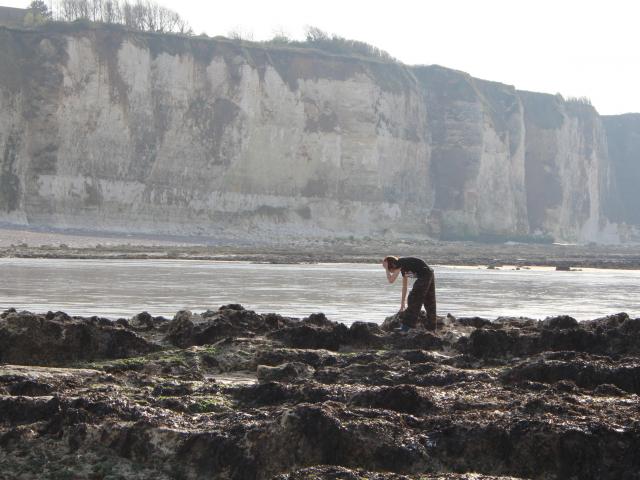
Check the weather forecast (do not set off in foggy or stormy conditions) and the tide times. Set off before low tide and head back as soon as low tide occurs.

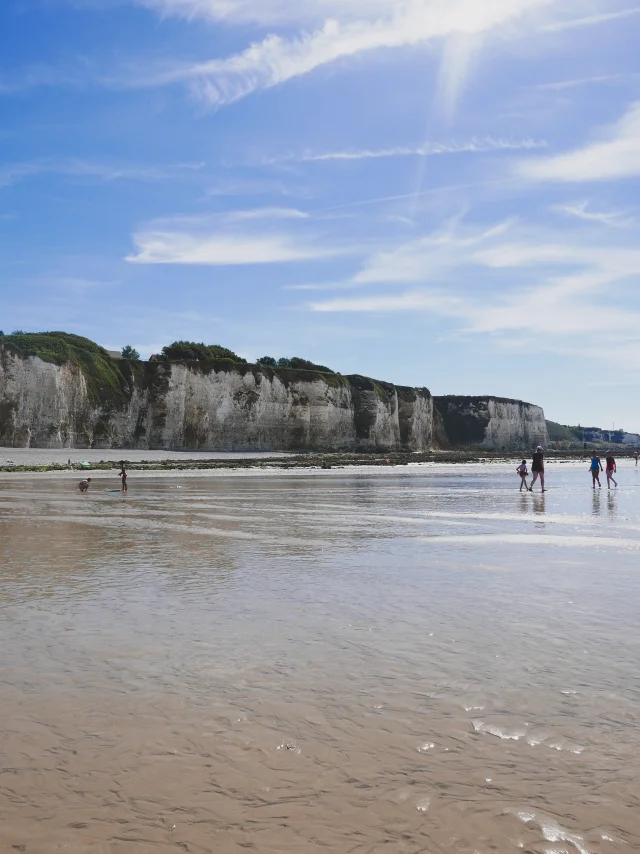
Make sure your kitis suitable for the weather. Always wear shoes: weever fish* lurk in the sand and the rocks are slippery. Under no circumstances should you walk at the foot of the cliffs; stay at least 100 metres away.

Take a watch and a fully charged mobile phone with you, and check the mobile signal when you arrive. The emergency number to dial is 196.
Do not go off on your own to an unfamiliar place, and let someone know what time you expect to return.

Shore foraging is permitted but subject to regulations designed to protect the natural environment.

  • Always put rocks back where you found them – use gentle fishing techniques (no raking or pulling up),
  • Release females carrying eggs,
  • Only take what you intend to eat (maximum 5 kg).
Minimum sizes to be observed in Seine-Maritime:
  • Mussels: 4 cm
  • Crab: 6.5 cm
  • Grey shrimp: 3 cm
  • Bouquet prawn: 5 cm – Please note that fishing for bouquet prawns is permitted from the last Saturday in June until 31 January of the following year.
  • Spider crab: 12 cm – Edible crab: 15 cm

📎 Official information:

Are you a beginner, or do you have any questions before you set off?
Here you’ll find answers to the most frequently asked questions about shore fishing in Dieppe and the surrounding area.

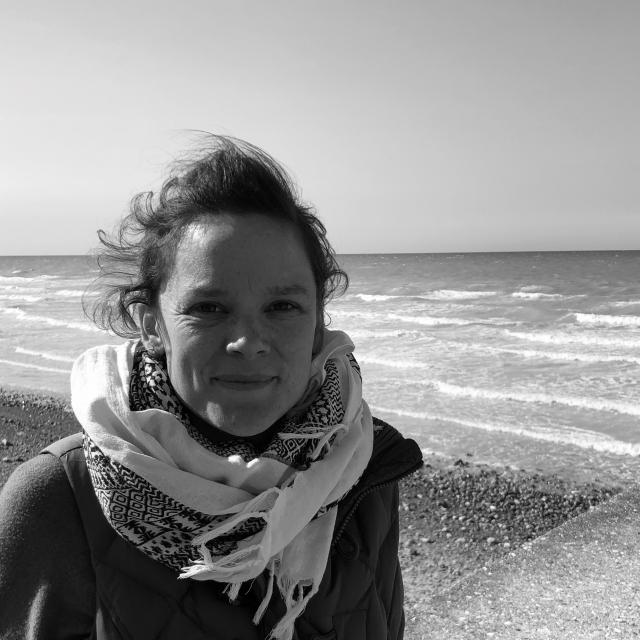
“I grew up going shellfish-hunting with my family. Now I do it with my own children. They spend their time rummaging under the rocks, marvelling at a crab or a prawn, and talking about their finds as if they were treasures. We never bring much back, but we always return with wonderful memories.”

Clotilde Babka Dnt
©

Clotilde Babka Dnt

Clotilde, communications officer at the Tourist Office

Glossary for this page

* Foreshore: The part of the beach that is covered by the sea at high tide and exposed at low tide.

* Tides: The natural movement of the sea as it rises and falls each day.

* Low tide: The time when the sea is furthest from the beach, revealing the rocks and sand.

* Salty smell: The typical smell of the sea, associated with sea air and seaweed.

* Periwinkle: A small, spiral-shaped black shellfish, very common on the rocks.

* Whelk: A small crab with claws, often found under rocks.

* Bouquet prawn: A larger, pinkish prawn, highly prized in cooking.

* Grey shrimp: A small, translucent shrimp, commonly found in pools of water on the foreshore.

* Pousseux: A small landing net used to catch prawns (a local Norman term).

* Measuring stick: A small ruler used to check whether a shellfish or crab is large enough to keep.

* Weever fish: Fish that burrow into the sand and can sting your foot. The sting is painful but can be avoided by wearing shoes.

Live

Come along on a whim!